
Development Trends of Energy Storage Batteries and Solar Photovoltaic (PV) Power Generation
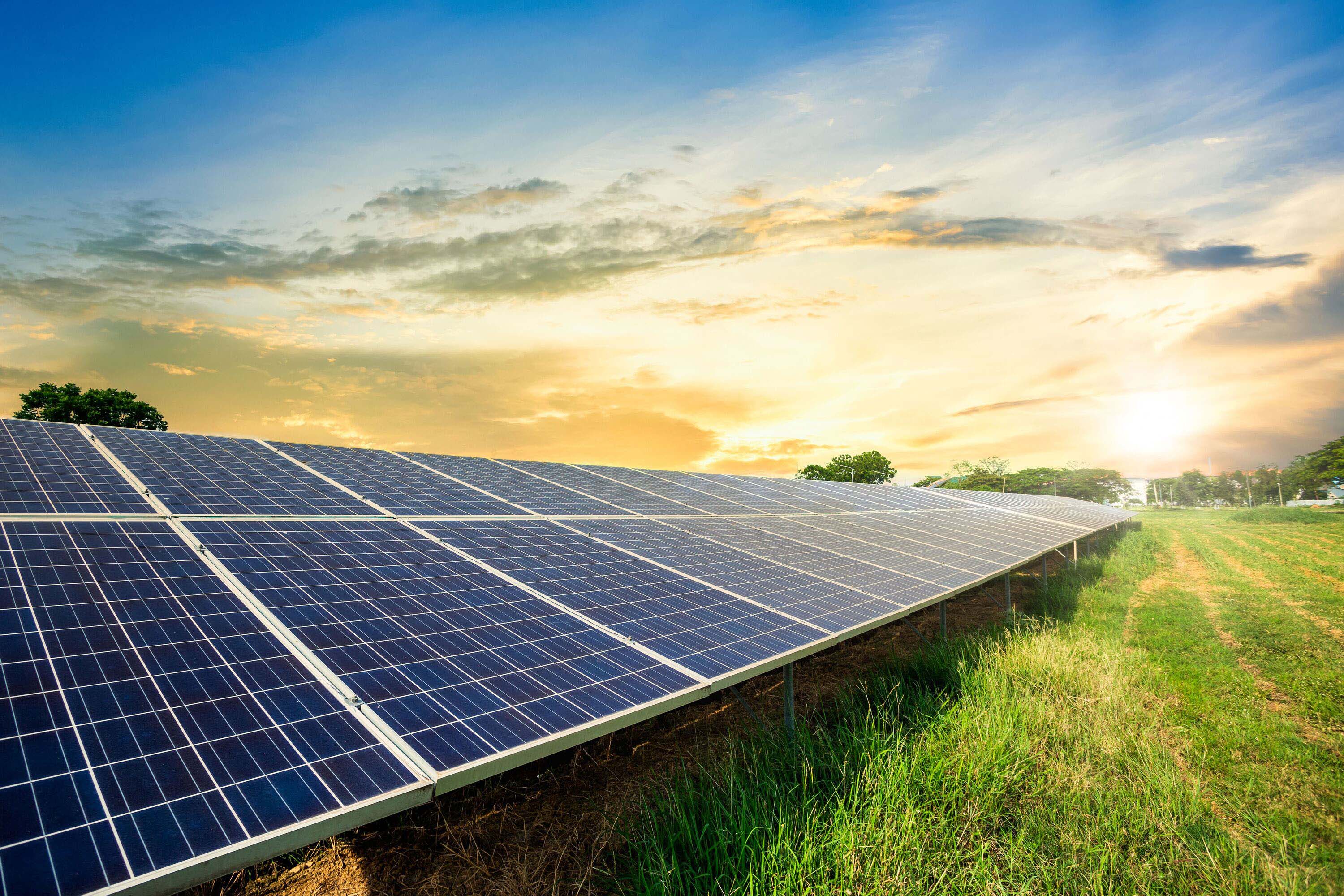
In the construction of industrial infrastructure, the clean energy usage plan has become an effective way to explore net-zero emissions.
Net-zero carbon emissions have sketched a beautiful blueprint for the development of future green urban buildings.
1. Technological Advancements and Market Growth
-
Energy Storage Batteries:
- Lithium-ion Dominance: Lithium-ion batteries remain the following for grid-scale and residential storage, with costs dropping to $148/kWh (containerized systems in the U.S. by 2024) . However, emerging technologies like vanadium flow batteries (e.g., Saudi Aramco’s 1 MWh Fe/V system ) and hydrogen storage are gaining traction for long-duration applications.
- Policy-Driven Demand: The EU’s Net-Zero Industry Act and the U.S. IRA are accelerating deployment, with Europe projected to account for 27% of global storage additions by 2025 .
- Grid Integration: Energy storage is increasingly paired with renewables to address intermittency, with Germany’s "aFRR" market (automatic frequency restoration reserve) becoming a key revenue stream .
-
Solar PV(Solar Photovolatic ):
- N-Type Cell Transition: N-type cells (TOPCon, HJT) have surpassed P-type in market share, with average efficiencies of 25.4–26.0% .
- Market Expansion: Global solar installations hit 277.57 GW in China alone in 2024, driven by utility-scale projects and distributed generation . Emerging markets like Latin America and Africa are growing rapidly, with Latin America projected to add 25.7–31.6 GWdc by 2025 .
- Bifacial and Thin-Film Innovations: Bifacial modules now dominate large-scale projects, while thin-film technologies are used in niche applications (e.g., building-integrated PV).

2. Key Countries with High Demand and Import-Friendly Policies
A. Europe
-
Germany:
- Demand Drivers: Post-2023 slowdown in residential storage (down 12.96% in 2024) , but utility-scale storage is rising (+83.4% in large-scale projects) . Grid stability needs and the "Solar Package 1" .
- Import Policies: No tariffs on solar modules, but the Net-Zero Industry Act requires supply chain diversification. Short-term reliance on Chinese imports persists (94% of EU Parts from China in 2023) .
-
Italy:
- Demand Drivers: Leading Europe in utility-scale storage (177 billion EUR investment plan for long-duration storage) . PV installations grew due to subsidies for 4+ hour storage systems.
- Import Policies: No tariffs on solar equipment. Local content rules under the MACSE mechanism favor EU suppliers, but Chinese modules still dominate .
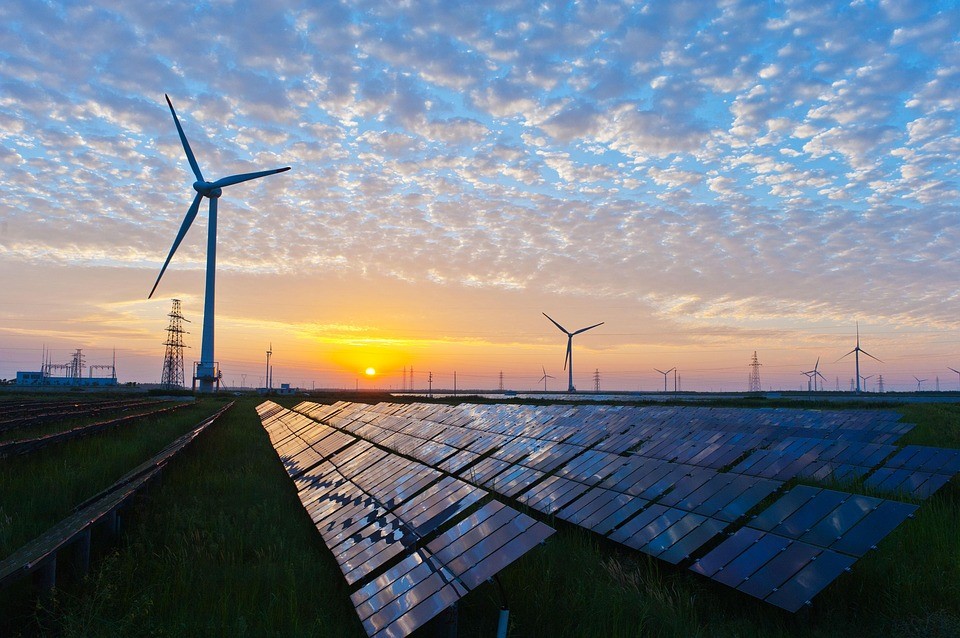
B. North America
- United States:
- Demand Drivers: IRA incentives (30% ITC for standalone storage) and California’s NEM 3.0 boost residential storage. Utility-scale storage is projected to reach 81.3 GWh by 2026 .
- Import Policies:
- Tariffs: 25% on Chinese lithium batteries (effective 2026) , but exemptions for cells from free trade agreement partners (e.g., Mexico).
- Local Content Rules: 55% domestic content required for full ITC credits by 2026.
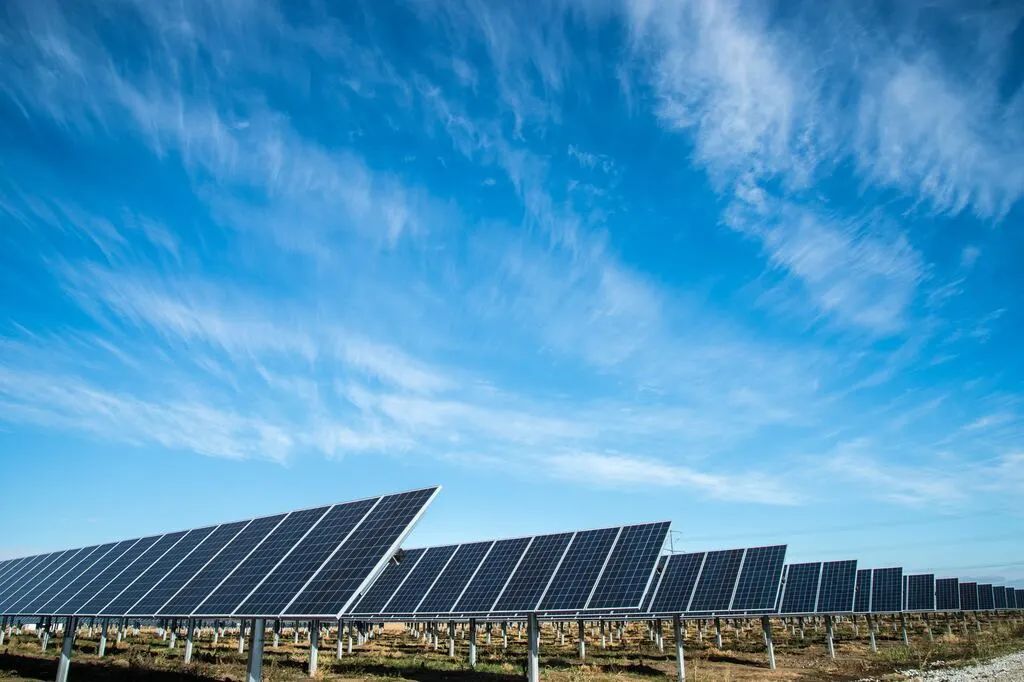
C. Asia
-
Japan:
- Demand Drivers: 94.9% of solar panels imported from China . Residential storage grows due to grid instability and rising electricity costs.
- Import Policies: No tariffs on solar modules. The Green Growth Strategy promotes renewables, but political risks (e.g., recent heatwave-related misinformation) may affect imports.
-
India:
- Demand Drivers: Targeting 500 GW renewable capacity by 2030. Solar imports surged in 2024 due to relaxed ALMM rules for captive and open-access projects india-briefing.com.
- Import Policies:
- Tariffs: 40% basic customs duty on solar modules, but exemptions for projects under the PLI scheme.
- Local Content: Gradual shift to domestically manufactured cells by 2026.
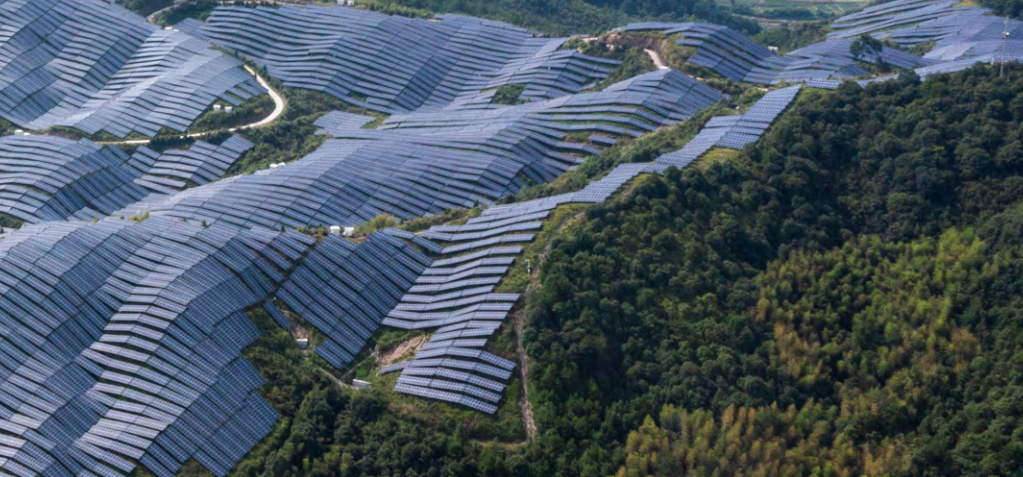
D. Middle East & Africa
-
Saudi Arabia:
- Demand Drivers: The Neom project and NREP tenders (20 GW/year) drive solar and storage. The 1 MWh Fe/V flow battery project with Rongke Power highlights long-duration storage adoption .
- Import Policies: No tariffs on solar equipment. Foreign investors are welcome in PPP models.
- Picture Suggestions:
- Saudi solar-storage project: "Sudair Solar Project".
-
Nigeria:
- Demand Drivers: Severe grid instability fuels off-grid solar and storage. The Green Vision Plan targets 30 GW renewables by 2030, with 30% from solar .
- Import Policies: Tax exemptions for solar equipment under the National Renewable Energy and Energy Efficiency Policy.
E. Australia
- Demand Drivers: Record solar installations (15.5 GW in 2024) and state-level storage targets (e.g., Queensland’s 4 GW by 2030).
- Import Policies:
- Tariffs: 0% on lithium batteries , but CEC certification is mandatory.
- Grants: The Australian Renewable Energy Agency (ARENA) funds storage projects.
- Import Policies:
3. Policy Mechanisms Encouraging Imports
- Tariff Exemptions: Countries like Nigeria and Australia waive duties on solar modules and batteries.
- Tax Incentives: The U.S. IRA and EU’s Investment Plan for Europe offer tax credits for imported equipment.
- Local Content Flexibility: India and Mexico allow exemptions for certain projects (e.g., open-access solar in India india-briefing.com).
- Fast-Track Approvals: Spain and Poland streamline permits for storage projects .
Conclusion
The energy storage and solar PV sectors are undergoing rapid technological evolution and geographic diversification. While mature markets like Europe and the U.S. drive innovation, emerging economies in Africa and Latin America offer high-growth opportunities. Policies such as tariff exemptions, tax credits, and streamlined approvals are critical in attracting imports, though local content rules and supply chain resilience measures are reshaping global trade dynamics.

Global temperature records broken in 2023 - average temperatures are already 1.5°C above pre-industrial levels, and 2024 could be even hotter | World Meteorological Organization