
Maximizing Your Battery Lifespan
Maximizing the life of your rechargeable batteries can further reduce battery waste.
For Both lithium and nickel-metal-hydride batteries, this means not running them down to zero before each recharge.
Instead, it's recommended that you keep the charge level between 40% and 80%. However, a full recharge from zero to 100% every month or two can help prolong battery life.
Another tip, particularly for lithium batteries, is to keep them cool. Operating continuously in a warm environment will shorten their lifespan. Not operating when it is too cold (below 32℉) or too hot (above 114℉).
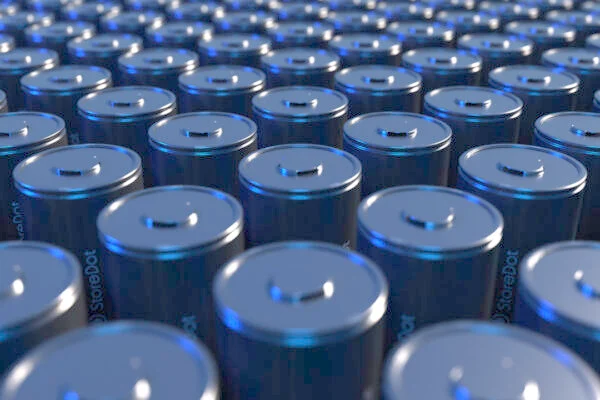
Package of Lithium-ion Battery for Shipping

The electric bicycle battery is a high-voltage and high-current device. When packaged, it is important to consider the safety of the user as well as those around them. Proper labeling and warnings for e-bike lithium batteries are essential.
Moreover, it is crucial that the packaging safeguards the environment by preventing any leakage of harmful substances. To do this, special materials may need to be used in the construction of the package.
The transport of dangerous goods by road, rail, air, or sea requires compliance with international and national regulations. Lithium batteries weighing more than 35kgs must be approved by the national authority before shipment.
E-bike lithium battery UN packing requirements
The UN number for electric bicycle batteries should be UN 3480(LI-ion Batteries), which is marked on the package.
Electric bicycle batteries must be packaged in strong boxes, and each box can bear a weight of 30kg. Each box should indicate "lithium-ion batteries" with clear characters.
1. Separate electric bicycle battery cells and modules.
2.Place each cell or module in a protective envelope.
3. Put the envelopes into UN boxes.
In addition, electric bicycle batteries must be protected from short circuits, and prevent mechanical damage. The lithium battery packaging should also comply with the requirements of national and international regulations.
FOr example, lithium batteries for e-bike exported to Germany must meet German transport law requirements; in France, they should follow French legislation for "dangerous goods by road "(including any additional local legislation) and UN recommendations on dangerous goods transportation; in Russia, they comply with Russian legislation about "Transportation of Dangerous Goods".
When purchasing Lithium batteries, manufacturers must check whether suppliers can meet national and international safety standards when they ship batteries internationally.
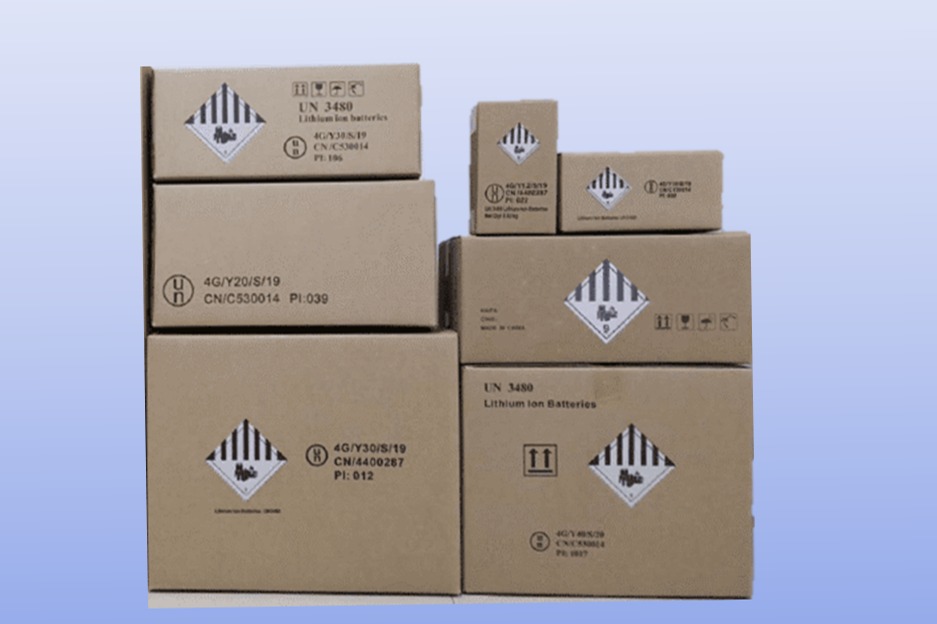
Package Materials
Sturdy Outer Box Use a durable outer box made of corrugated cardboard.
Shock-Absorbing Material Use shock-absorbing materials such as bubble wrap or foam to provide cushioning around the e-bike battery. This hels protect it from impacts during transit.
Individual Packaging Package Packaging each e-bike lithium-ion battery individually. This prevents batteries from coming into contact with each other or with conductive materials, reducing the risk of short circuits.
Insulating Material for Terminals Cover exposed battery terminals with electrical tape or another non-conductive material to prevent short-circuits.
Plastic Bag or Containment Material Consider placing each battery in a plastic bag or using another containment material to prevent leaksge in case of damage.
Labeling Materials Clearly label the package as containing lithium-ion batteries. Include additional information such as the watt hour (Wh) rating and whether the batteries are rechargeable or non-rechargeable.
Packaging Tape Use strong packaging tape to seal the box securely. Ensure that the box is well-sealed to prevent any accidental opening during transit.
For more questions please
contact us

+86 0579 89132305

lvchi@jinhualuchi.com

RM 102 XINHUAN BASE COMPLEX BLDG589 LONGTAN RD WUCHENG JINHUAN ZHEJIANG CHINA