Solar Power and Wind Power: The Dual Drivers of Clean Energy
Solar Power Generation: An Energy Revolution Capturing Sunlight

Solar power generation is a technology that converts solar radiation directly into electrical energy using the photovoltaic effect of semiconductor materials, with solar photovoltaic modules as its core equipment. When sunlight hits the surface of photovoltaic panels in the morning, electrons in semiconductor materials such as silicon are excited by photons to form a directional current, which is converted into alternating current that can be directly used by an inverter, and finally connected to the power grid or stored in a storage battery. This conversion process requires no mechanical movement and produces no exhaust gas or wastewater emissions, truly realizing "zero-carbon power generation".
The advantage of solar power generation lies in the universality and dispersion of its resources. From tropical regions near the equator to high-latitude frigid regions, as long as there is sunlight, there is potential for solar energy development. In cities, rooftop photovoltaics and photovoltaic curtain walls can be integrated with buildings, becoming an important carrier of "distributed power generation"; in remote mountainous areas or islands, independent photovoltaic power stations can solve the problem of insufficient power supply due to lack of grid coverage. In recent years, with the continuous improvement of photovoltaic cell conversion efficiency and the significant reduction of manufacturing costs, the economy of solar power generation has become increasingly prominent, and the global photovoltaic installed capacity has maintained rapid growth for many years.
Of course, solar power generation is also restricted by natural conditions. Power generation stops at night when there is no sunlight, and cloudy or rainy weather will lead to a significant drop in power generation. This "intermittency" poses a challenge to the stability of the power grid. To this end, the industry continues to improve the reliability of solar power generation by supporting energy storage systems and coordinating with other energy sources.

Wind Power Generation: Green Power Harnessing Airflow
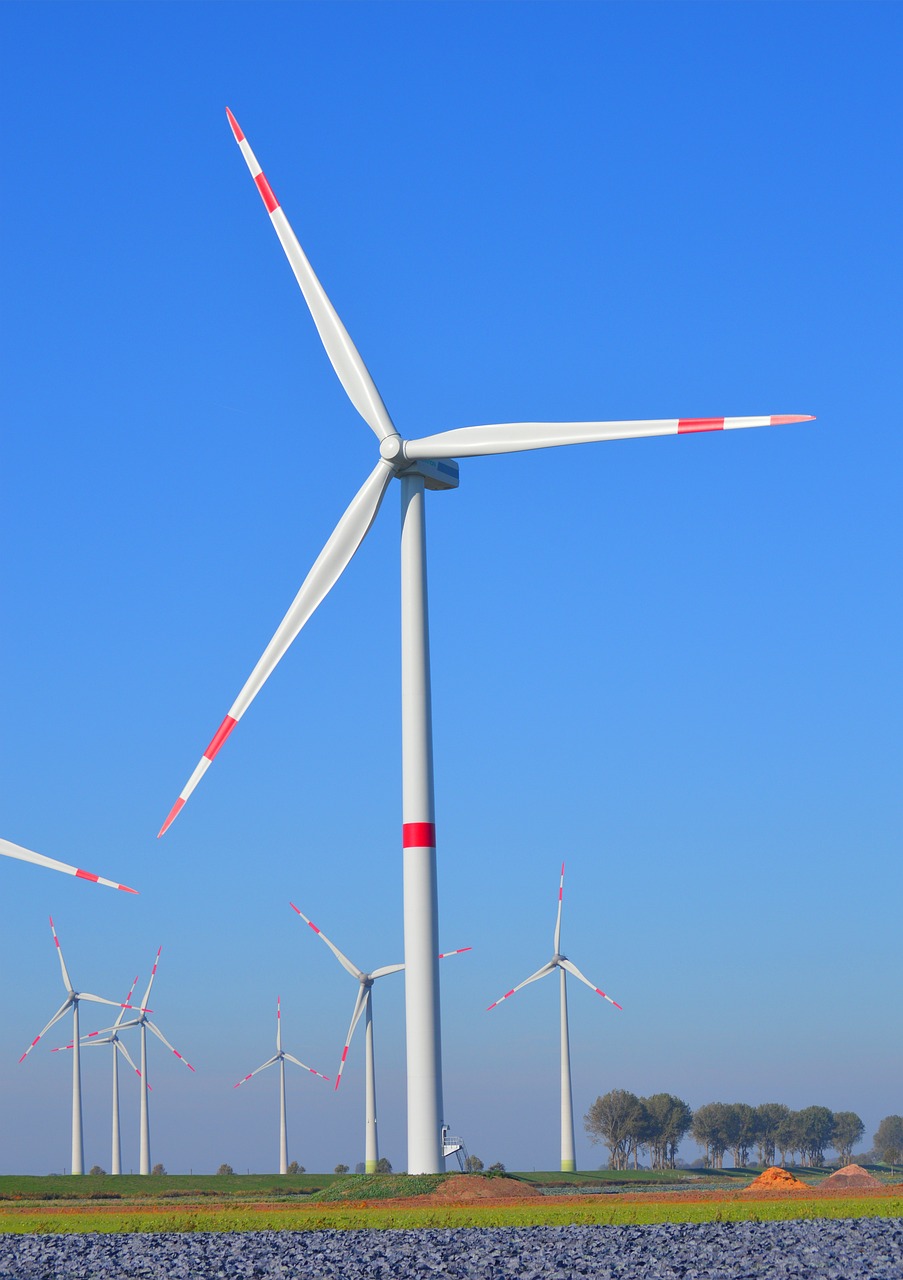
Wind power generation is a technology that converts the kinetic energy of wind into mechanical energy through a wind turbine, and then converts the mechanical energy into electrical energy through a generator. Its core components include wind rotor, generator, tower, etc.: the wind rotor rotates under the impetus of airflow, driving the internal rotor to rotate, and generating electrical energy through the principle of electromagnetic induction. According to different installation scenarios, wind power generation can be divided into onshore wind power and offshore wind power. Onshore wind power has mature technology and a short construction period; offshore wind power has become a development hotspot in recent years because of higher and more stable wind speeds at sea and no occupation of valuable land resources.
The core advantage of wind power generation is the abundance and sustainability of its resources. The total amount of wind energy resources on the earth's surface is extremely large, and the exploitable wind energy on land alone is sufficient to meet several times the global energy demand. Compared with solar energy, wind power generation has different intermittency characteristics—stable air flow may still exist at night, which provides natural conditions for the two to form complementarity. In addition, the single-machine capacity of wind power generation continues to break through, with the single-machine capacity of large offshore wind turbines exceeding 15 megawatts, and the cost per unit of power generation continues to decrease, gradually improving competitiveness.
Wind power generation also faces challenges. It has high requirements for wind resource conditions and needs to be built in wind farms with high average annual wind speeds, which limits development in some areas; wind turbine operation will produce a certain amount of noise, and large wind farms may affect the local ecological environment and bird migration. These problems are gradually being alleviated through precise wind farm site selection, optimized wind turbine design, and ecological restoration.

Coordinated Development: Building a More Stable Clean Energy System
Although solar energy and wind power generation have their own shortcomings, their characteristics form a natural complementarity. When sunlight is sufficient during the day, the efficiency of solar power generation reaches its peak, and the wind may be relatively weak at this time; while at night or on cloudy and rainy days, the wind is often more stable, which can make up for the shortage of solar power generation. Combining the two to build a "wind-solar complementary power station" can greatly reduce the volatility of power output and improve friendliness to the power grid. For example, in northwest China, large-scale integrated wind-solar-storage projects have become the norm. Through the coordinated power generation of photovoltaics and wind power, combined with the peak shaving and frequency modulation of energy storage systems, stable supply of clean energy has been realized.
From the perspective of the global energy development pattern, the integrated development of solar and wind power generation has become a trend. Countries around the world have increased investment in wind and solar power generation, broken through efficiency bottlenecks through technological innovation, improved absorption capacity through power grid upgrading, and improved the industrial ecology through policy guidance. In China, the "14th Five-Year Plan" clearly proposes to vigorously develop renewable energy such as wind power and photovoltaics, and promote the base-based and large-scale development of wind and solar power generation.
As the "dual engines" of clean energy, solar power generation and wind power generation are not only important means to address climate change, but also core forces driving the transformation and upgrading of the energy industry. With the continuous progress of technology and the continuous maturity of the industry, the two will surely play a more critical role in the global energy transformation, laying a solid foundation for mankind to build a clean, low-carbon, safe and efficient energy system.

Principles and Development Trends of Lithium Batteries and Energy Storage Batteries
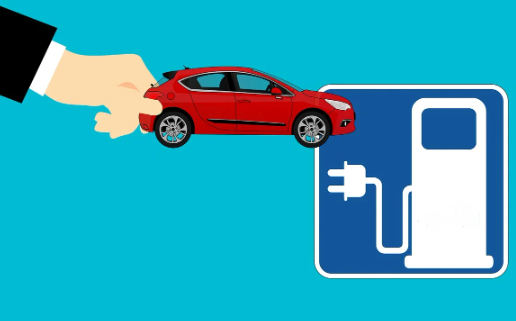
Electric Vehicle Charging Piles: Infrastructure Revolution and Future Outlook in the New Energy Era