Principles and Development Trends of Lithium Batteries and Energy Storage Batteries

Since their invention, lithium batteries have rapidly become the core power source for portable electronic devices due to their advantages such as high energy density, long cycle life, and low self-discharge rate.They have also shown great potential in the fields of new energy vehicles and large-scale energy storage. Energy storage batteries are a key component of the energy internet, undertaking important functions such as electrical energy storage, peak shaving and valley filling, and grid frequency regulation. Among them, lithium batteries are the mainstream technical route in the current energy storage battery market.
In terms of working principles, lithium batteries are secondary batteries, mainly composed of four parts: positive electrode, negative electrode, electrolyte, and separator. The charging and discharging process is essentially the intercalation and deintercalation of lithium ions between the positive and negative electrodes. During charging, under the action of an external electric field, lithium ions are deintercalated from the positive electrode material, pass through the electrolyte and separator, and intercalate into the crystal lattice of the negative electrode material. At the same time, electrons flow to the negative electrode through the external circuit to ensure charge balance. During discharging, lithium ions are deintercalated from the negative electrode, migrate back to the positive electrode in the reverse direction, and electrons form an electric current through the external circuit to supply power for external equipment. The core difference between different types of lithium batteries lies in the positive and negative electrode materials. For example, ternary lithium batteries use lithium nickel cobalt manganese oxide as the positive electrode, with high energy density; lithium iron phosphate batteries use lithium iron phosphate as the positive electrode, which has better thermal stability and cycle life, making them more suitable for energy storage scenarios.
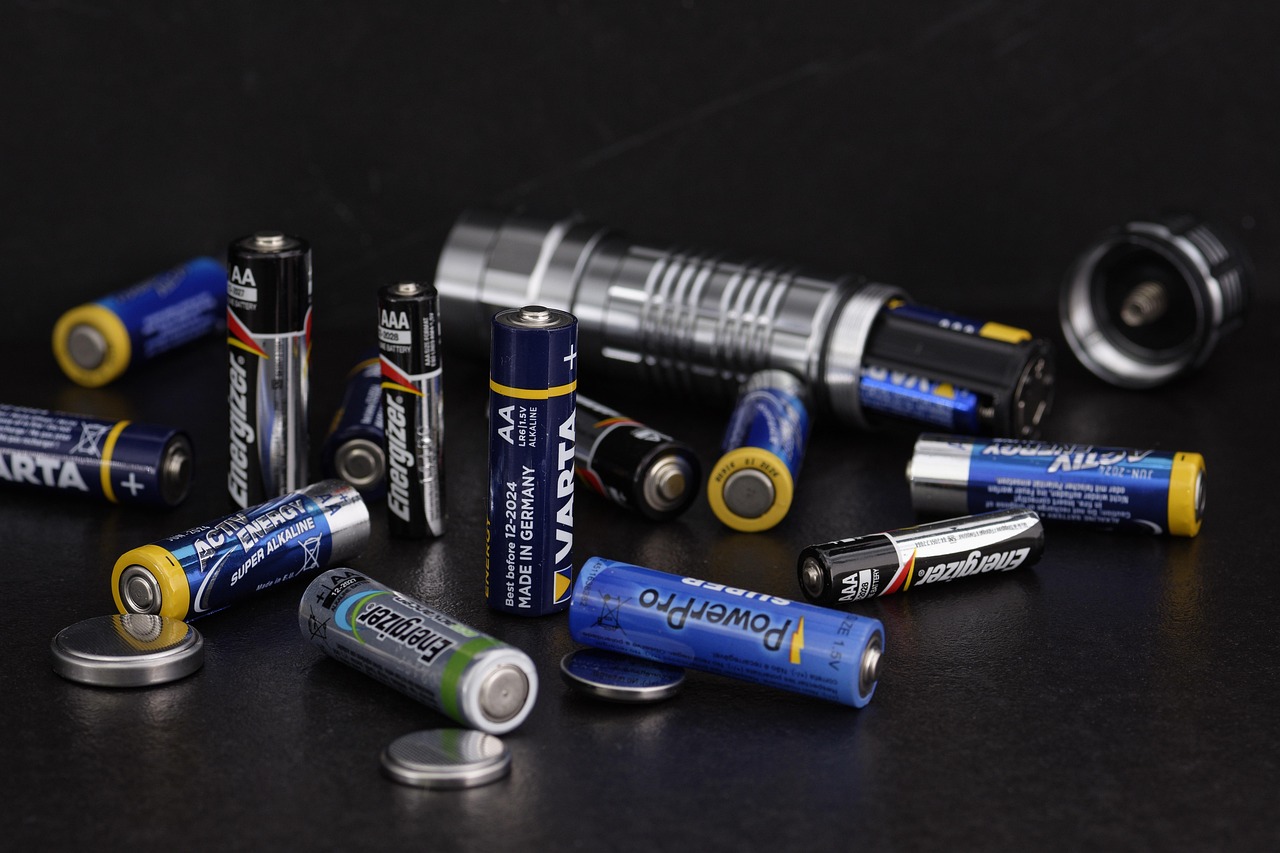
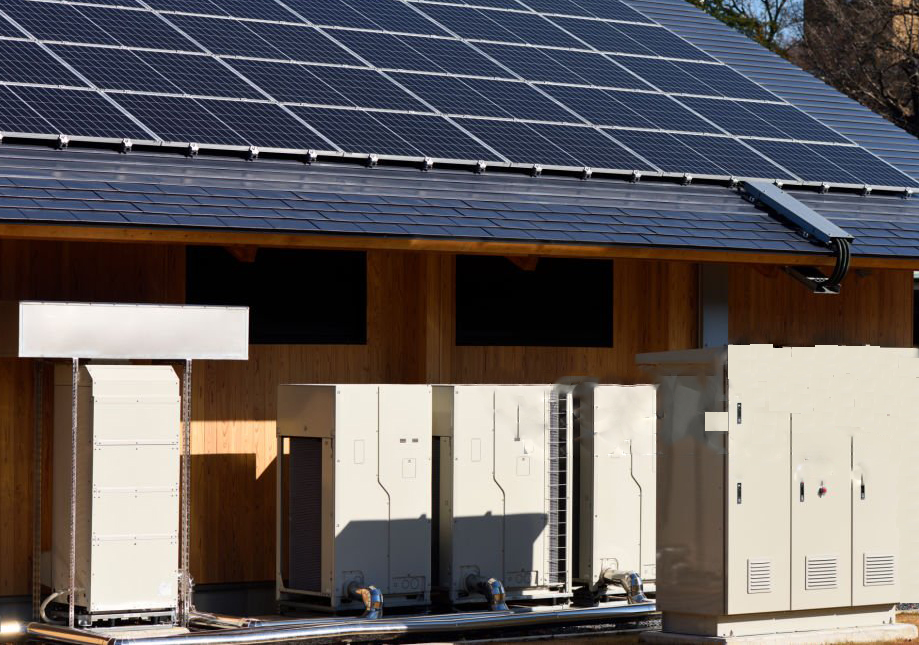
The application scenarios of energy storage batteries can be divided into three categories: portable energy storage, grid energy storage, and household energy storage. Portable energy storage batteries are centered on small lithium battery packs to meet outdoor power demand; grid-level energy storage battery systems are large-scale, used to smooth grid load fluctuations and improve the consumption capacity of renewable energy; household energy storage batteries can be matched with photovoltaic power generation systems to realize self-consumption of generated power and storage of surplus power. Compared with traditional lead-acid batteries, lithium batteries have significant advantages in the energy storage field: their energy density is 2-3 times that of lead-acid batteries, the cycle life can reach thousands of times, and they are smaller in size, lighter in weight, and lower in maintenance cost.

In terms of development trends, lithium battery technology is evolving towards high energy density, high safety, and low cost. At the material level, continuous research and development are being conducted on new electrode materials such as silicon-based anodes and lithium-rich manganese-based cathodes, aiming to break through the performance bottlenecks of traditional materials. At the structural level, cobalt-free batteries and all-solid-state batteries have become research hotspots. All-solid-state batteries use solid electrolytes, which can not only solve the problems of leakage and explosion of liquid electrolytes but also further improve energy density, and are regarded as the core technology of the next-generation lithium batteries.

From the perspective of industrial development, the global demand for energy storage market is experiencing explosive growth, driving the expansion of the lithium battery industry chain. On the one hand, the coordinated development of the new energy vehicle and energy storage industries has promoted the prominent scale effect of battery production and reduced the unit cost. On the other hand, the recycling system is gradually improved, and the maturity of cascade utilization and material regeneration technologies can not only alleviate the pressure of shortage of rare metal resources such as lithium and cobalt but also reduce the environmental pollution caused by waste batteries, helping the industry achieve green and sustainable development.
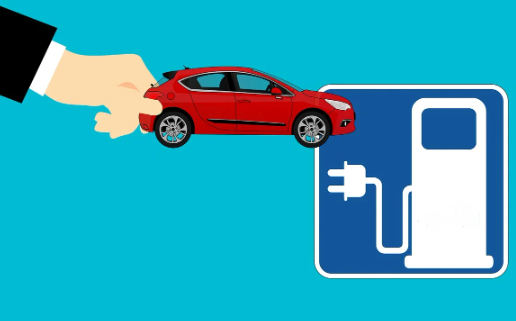
At the same time, the application boundary of lithium battery energy storage is constantly expanding. In the field of renewable energy, lithium battery energy storage systems are matched with wind power and photovoltaic power stations, effectively solving the intermittent and fluctuating problems of new energy power generation. In the field of smart grids, energy storage batteries can participate in grid frequency and voltage regulation, improving the stability of grid operation. In the field of transportation, the promotion of battery swapping mode has further expanded the application scenarios of lithium batteries in the new energy vehicle field.
In the future, with continuous technological breakthroughs and the continuous improvement of the industrial chain, lithium battery energy storage will play a more critical role in the global energy transition process, promoting the human society to move towards a clean and efficient energy system.
E-Bikes and Lithium-Ion Batteries: An In-Depth Analysis of Working Principles
Solar Power and Wind Power: The Dual Drivers of Clean Energy